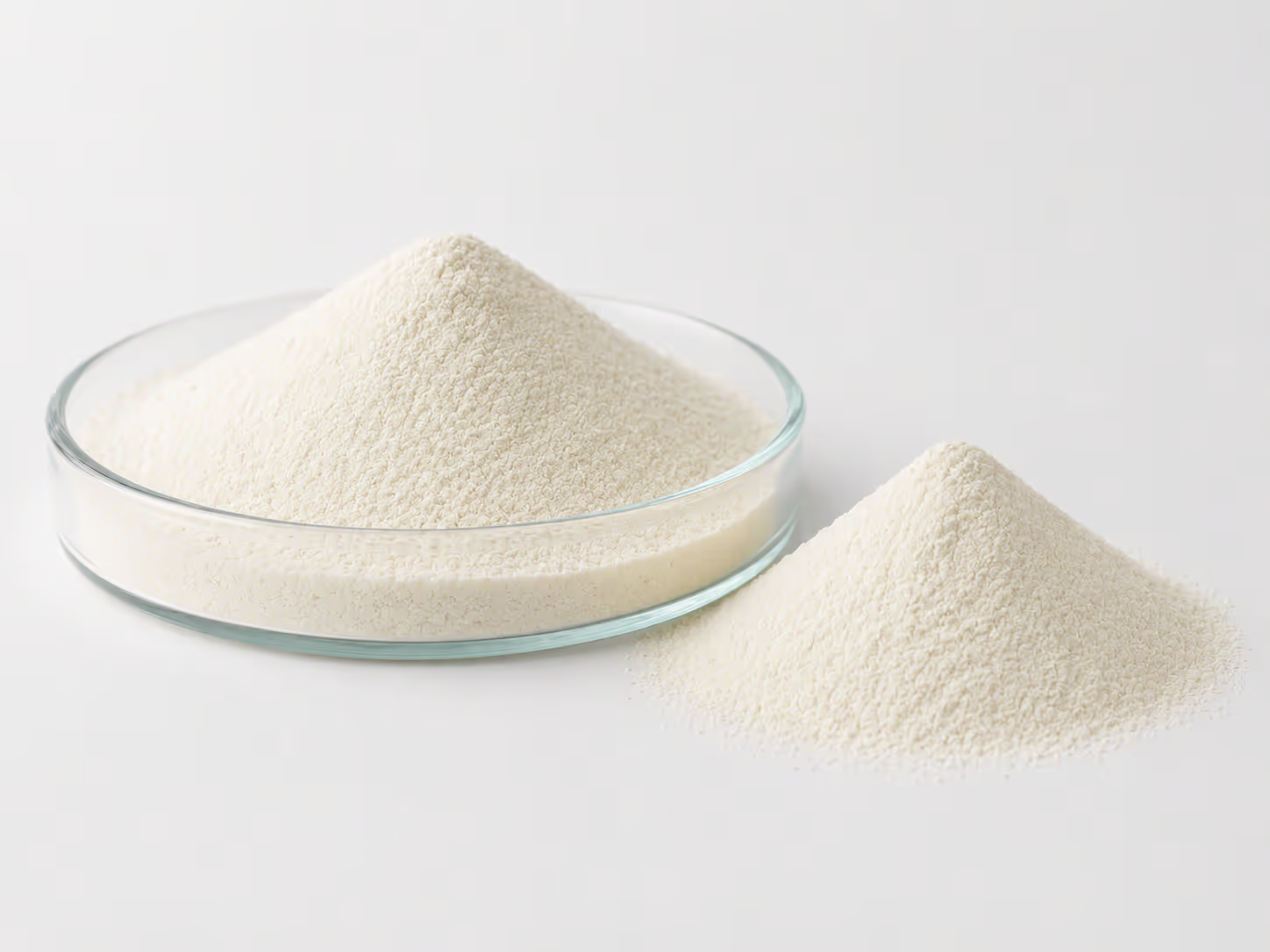
Verified product boundary
K5 tapioca CMS DS 0.3 is available as flake The confirmed flake viscosity is 24000 mPa·s nominal with a 21600 to 26400 mPa·s range
Flake viscosity uses a 5 percent solution on an NDJ 8 viscometer with spindle number 4 at 6 r min and tolerance of plus or minus 10 percent from nominal
Procurement answer
Use this worksheet when a procurement team needs to organise a K5 flake reactive printing evaluation without treating the grade name as approval K5 tapioca CMS DS 0.3 is available in flake form Keep the sample reference representative fabric process recipe requested form and target viscosity or named measurement method in one evaluation record For reactive printing the evidence must also include the electrolyte level and fixation route the representative fabric and reactive recipe and paste stability outline and handle after wash off observations Compare one controlled change at a time and retain the print observation with its test conditions Published flake values do not establish powder values No grade is confirmed for process suitability before a representative trial and the current KARN TDS The purchasing handoff should request controlled documents by grade and form and distinguish evaluated observations from open commercial or technical requirements
reactive printing record focus
reactive printing evaluation needs the fabric reactive system and printing recipe context A product name or one viscosity result cannot replace the actual printing record
For reactive printing keep the electrolyte level and fixation route with the representative fabric and recipe record Check paste stability outline and handle after wash off on the same trial These are evaluation observations not a pre approval of any CMS grade
Build a controlled evaluation plan
Build a controlled evaluation plan so technical and procurement teams use the same evidence Every observation should connect to a sample reference test condition and responsible person
Start this plan with the electrolyte level and fixation route Keep the evaluation limited to the specified flake sample and one representative reactive printing recipe
- Define the process and representative fabric
- Record the current recipe without assuming grade suitability
- State the required powder or flake form
- State the target viscosity and measurement method
- Set acceptance observations before the trial
Prepare a complete sample request
Prepare a complete sample request so technical and procurement teams use the same evidence Every observation should connect to a sample reference test condition and responsible person
A usable reactive printing sample request identifies the representative fabric and reactive recipe before KARN reviews the requested K5 flake sample
- Name the requested grade and form
- Describe the printing process and fabric
- Provide target viscosity or the laboratory method
- Explain the current printing issue
- Identify the responsible technical contact
Review the current TDS before approval
Review the current TDS before approval so technical and procurement teams use the same evidence Every observation should connect to a sample reference test condition and responsible person
Use the current TDS to confirm the named K5 flake sample Keep the electrolyte level and fixation route as process evidence rather than treating it as a published product specification
- Confirm the document names the same grade
- Confirm powder or flake form is explicit
- Separate published facts from requested values
- Check the named viscosity method and conditions
- Record unresolved points for KARN confirmation
Create a reproducible trial record
Create a reproducible trial record so technical and procurement teams use the same evidence Every observation should connect to a sample reference test condition and responsible person
The trial record should preserve paste stability outline and handle after wash off observations with the sample reference and measurement method so one result can be compared with a later trial
- Assign the sample and trial reference
- Record fabric recipe and preparation order
- Record product form and conditioning
- Record viscosity method result and time
- Record print observations without changing multiple variables
Hand off evidence to procurement
Hand off evidence to procurement so technical and procurement teams use the same evidence Every observation should connect to a sample reference test condition and responsible person
The handoff should state the representative fabric and reactive recipe and separate paste stability outline and handle after wash off observations from any unconfirmed purchasing requirement
- Attach the sample and trial references
- State the tested grade and form
- Summarize the process and recipe context
- Separate observations from commercial requirements
- Request current controlled documents before order approval
Formal confirmation boundary
This page is an evaluation and communication tool It is not a product certificate TDS SDS COA or order document Request controlled documents by grade and form A COA requires an actual order or batch reference